






The Establishment of the Final Gate
When Quarantine Zone: The Last Check opens, it does not overwhelm the player with chaos. Instead, it begins with order. The checkpoint is sterile, controlled, and bureaucratically precise. The state still functions—at least on paper. You are stationed at the final operational border gate before total containment. Your role is not heroic. It is administrative. You review documents, scan temperatures, inspect travel histories, and make a simple binary decision: approve or deny.
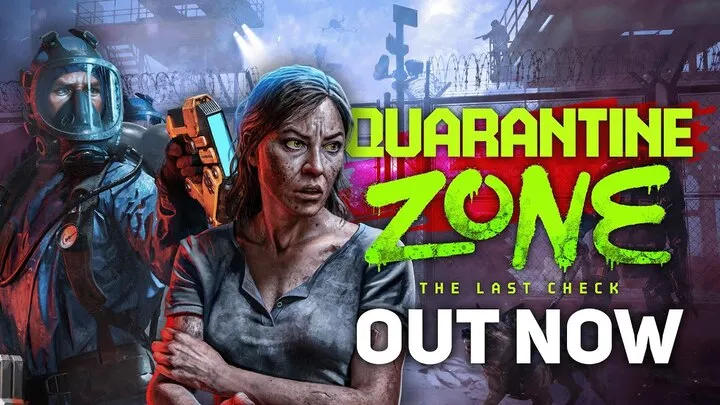
This early phase establishes the game’s most important mechanic—not the scanner, not the interface, but authority. Authority is granted to you by a collapsing institution. The system still believes in procedure, even as infection rates climb beyond containment. The quiet hum of equipment and the rhythmic stamp on passports become the soundtrack of institutional faith. The horror here is not visual; it is structural.
The first days feel procedural. Clean. Rational. Infection detection seems clinical. But beneath the surface, something more insidious begins forming: the realization that every stamp is irreversible.
The Documentation Ritual and the Illusion of Objectivity
At the core of the game lies paperwork. Identification cards, health declarations, vaccination records, emergency travel permits. The act of reading becomes mechanical repetition. Yet the game subtly introduces irregularities: smudged ink, mismatched dates, inconsistent serial numbers.
The brilliance of this stage lies in how it manipulates perception. The documents appear objective, but the player begins to understand that objectivity is fragile. Is a typo a forgery? Is a smudge evidence of panic or deception? The system claims neutrality, but interpretation becomes subjective.
This is where The Last Check reveals its philosophical foundation: bureaucratic systems promise fairness, yet they depend on human judgment. And human judgment is never neutral.
The Body as Evidence
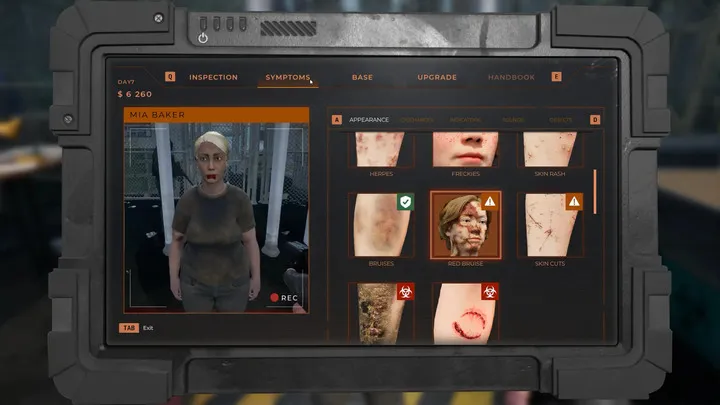
As infection spreads, documentation becomes insufficient. The game introduces biometric scanning, thermal readings, pulse irregularities. You are instructed to observe posture, eye contact, hand tremors. The body becomes another document—one that can lie or betray.
What makes this stage psychologically intense is ambiguity. A high temperature could mean infection—or fear. Trembling hands could signal guilt—or trauma. The interface gives numbers, but numbers do not equal certainty.
The game carefully avoids definitive indicators. Instead, it cultivates suspicion. Every cough is loaded with implication. Every hesitation feels meaningful. The player begins reading humanity as data, and data as fate.
Escalation Protocols and the Expansion of Power
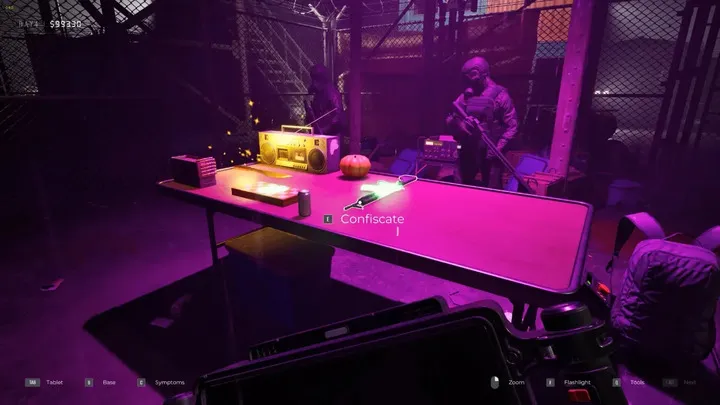
Midway through the narrative arc, the system escalates. You are granted expanded authority:
- Secondary interrogation access
- Isolation chamber activation
- Immediate quarantine override
- Emergency denial without appeal
This shift is subtle but transformative. The player is no longer verifying; they are enforcing. With escalation comes autonomy—and with autonomy comes moral burden.
The state’s guidance becomes colder. “Minimize risk.” “Contain potential spread.” “Trust the protocol.” These phrases echo through internal communications. But what the game brilliantly does is reduce institutional oversight. The more unstable the world becomes, the more unchecked your power feels.
Authority expands precisely when accountability collapses.
Human Stories Against Procedural Walls
As days progress, individual narratives begin piercing the bureaucratic shell. A parent trying to reach a quarantined child. A nurse returning from an overwhelmed district. A migrant worker with incomplete documentation but visible exhaustion.
The game never dramatizes these encounters with melodrama. Instead, it forces you to confront them through interface constraints. You cannot console. You cannot explain. You can only approve or deny.
The most devastating moments occur when policy contradicts empathy. The rulebook demands rejection. Your instincts resist. But hesitation has consequences: infection rates rise in post-shift briefings. Each approval might alter unseen outcomes.
The system does not show the faces of those turned away. It only shows statistics.
Statistical Feedback and Psychological Conditioning

After each shift, you receive performance summaries. Infection leaks prevented. Suspicious entries flagged. False positives. False negatives. Efficiency percentages.
This statistical layer transforms morality into metrics. Compassion becomes risk exposure. Strictness becomes commendation. The interface rewards caution—sometimes excessively so.
Over time, players may notice a shift within themselves. Denials become easier. The threshold for suspicion lowers. A slight irregularity triggers rejection. The game does not force cruelty; it normalizes it through feedback loops.
This stage reveals a central theme: systems train behavior. When survival is quantified, empathy becomes inefficiency.
The Emergence of Doubt Within the System
As collapse deepens, cracks appear in official communications. Contradictory directives. Redacted memos. Delayed supply reports. Rumors of infection inside containment facilities.
The player begins questioning whether The Last Check protects anyone at all. Is the border functional—or symbolic? Are approvals leading to safety—or deeper crisis?
Here, the game introduces existential ambiguity. Perhaps infection is already everywhere. Perhaps the checkpoint is merely theater—an illusion of control projected onto chaos.
Doubt does not remove responsibility. It intensifies it. If the system is flawed, every decision becomes even heavier.
The Personalization of Consequence
Late in the progression, consequences become less abstract. The game begins referencing specific individuals in internal reports. “Subject #A-441 confirmed positive.” “Family unit rejected on Day 27 located outside perimeter.”
The distance between decision and outcome narrows. You are no longer reviewing anonymous applicants; you are confronting echoes of your past judgments.
This stage is where The Last Check achieves psychological depth. It refuses spectacle. Instead, it weaponizes memory. You remember the hesitation before stamping denial. You recall the trembling voice during interrogation. The game trusts you to connect the dots.
Responsibility becomes internalized.
Authority Under Collapse
As infrastructure fails, the checkpoint grows quieter. Fewer arrivals. Longer silences. Equipment malfunctions. The sterile environment begins to feel abandoned.
Yet your authority technically remains intact. You still hold the stamp. You still control entry. But control without stability feels hollow. The system that empowered you is disintegrating.
The irony is profound: at the moment of total collapse, you possess maximum discretionary power. There are fewer rules, fewer supervisors, fewer checks. The game invites reflection—was authority ever about safety, or was it about maintaining the perception of order?
The Final Check as Existential Mirror
The concluding phase of the game reframes everything. The “Last Check” is no longer procedural. It becomes symbolic. The border is not merely geographic; it is psychological.
You begin realizing that the true quarantine was not viral—it was moral compartmentalization. The system required you to separate empathy from duty. To divide instinct from instruction.
In the final days, approvals and denials feel less like policy enforcement and more like statements about what kind of person you have become. The game does not judge you explicitly. It does not declare right or wrong. Instead, it leaves you alone with your accumulated decisions.
The stamp rests on the desk. The scanner hums faintly. The line outside grows shorter. And you must decide one more time.
Conclusion
Quarantine Zone: The Last Check is not a game about infection; it is a game about institutional power and personal accountability within collapsing systems. By focusing on documentation, biometric suspicion, statistical reinforcement, and escalating authority, it constructs a layered psychological experience where bureaucracy becomes the central antagonist. The genius of the design lies in its restraint—no explosions, no cinematic heroism, only the quiet weight of irreversible decisions.
Through its structured progression—from procedural neutrality to existential reflection—the game exposes how easily systems can reshape morality. It demonstrates how authority expands under fear, how metrics condition behavior, and how responsibility lingers long after procedures dissolve.
The Last Check is not about survival of the body. It is about survival of conscience.