






Introduction
Automation games often focus on scale — build bigger factories, produce more resources, and optimize efficiency through expansion. Desynced approaches automation differently. Instead of conveyor belts dominating gameplay like traditional factory builders, it introduces programmable units, modular buildings, and adaptive logistics powered by AI-like behavior systems.
At first glance, Desynced appears similar to games such as Factorio or Satisfactory, but players quickly discover that success depends less on physical infrastructure and more on intelligent system design. Every robot, structure, and resource chain can be customized through behavior programming, creating a hybrid experience between real-time strategy, automation sandbox, and logic engineering.
Many new players struggle because they attempt to scale production before understanding automation logic. This guide explains how to master Desynced step by step — from early survival setups to advanced autonomous logistics networks capable of running entire colonies without direct control.
1. Understanding the Core Philosophy of Desynced
The most important concept in Desynced is decentralization.
Traditional automation games rely on:
- Fixed conveyor belts
- Static factories
- Centralized production lines
Desynced replaces these with:
- Mobile worker units
- Programmable behaviors
- Dynamic resource routing
Your base is not a factory — it is an ecosystem.
Instead of asking:
“What should I build next?”
Ask:
“What system should solve this problem automatically?”
Once players adopt this mindset, the game becomes significantly easier.
2. Building a Stable Early Game Foundation
The first 20 minutes determine whether your colony stabilizes or collapses.
Early priorities:
- Energy production
- Basic resource gathering
- Storage organization
- Unit production
Early Setup Strategy
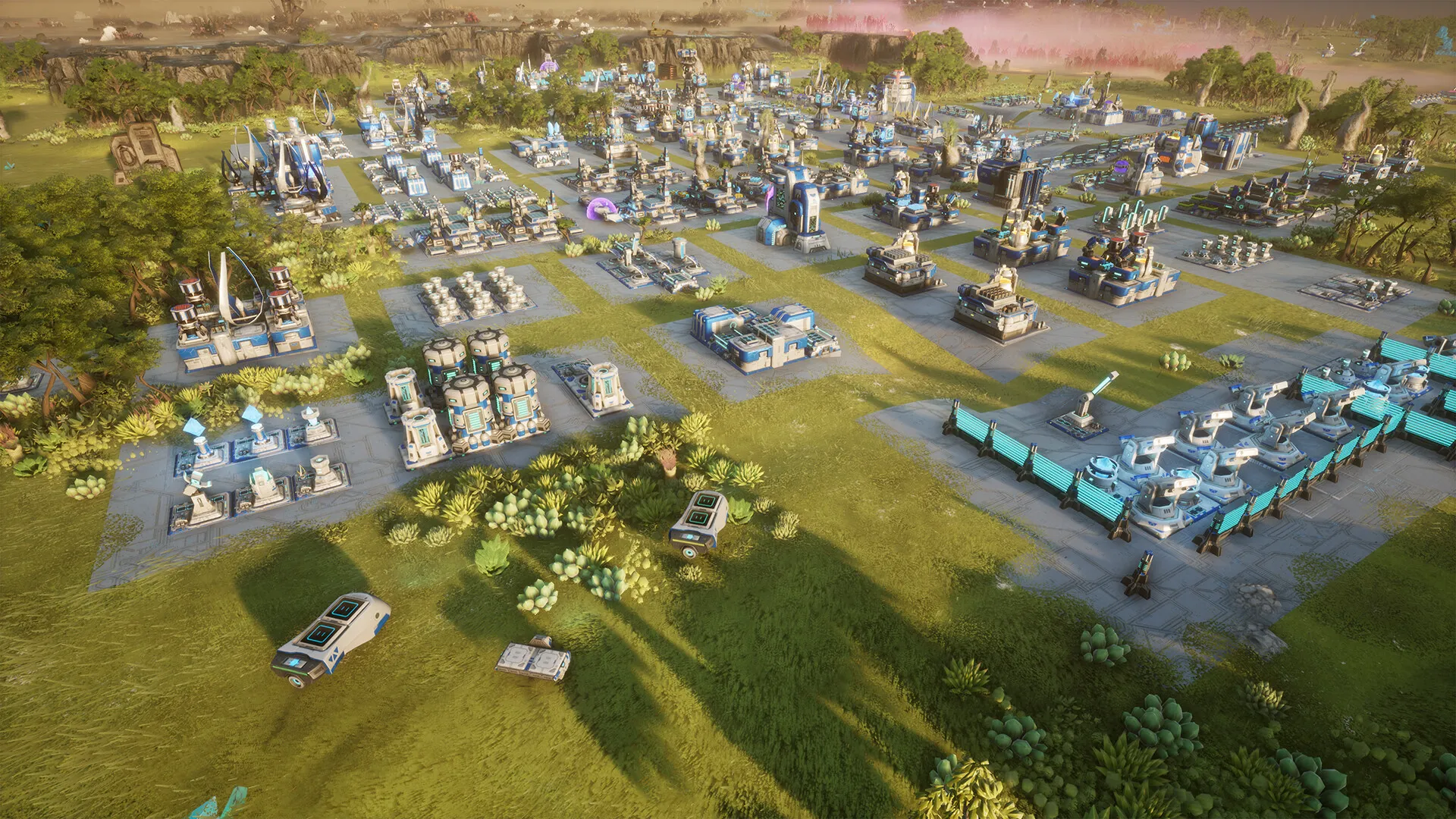
Start with compact layouts. Avoid spreading buildings too far apart because worker travel time dramatically reduces efficiency.
Key early resources:
- Metal
- Crystal
- Biomass
- Power cells
Create dedicated gathering bots immediately instead of manually assigning tasks repeatedly.
Automation begins with specialization.
3. How Behavior Programming Works
The behavior system is the heart of Desynced.
Every unit can follow programmable logic such as:
- If storage empty → gather resources
- If inventory full → deliver to depot
- If energy low → recharge
This works through visual logic blocks rather than traditional coding.
Beginner Programming Template
A simple worker loop:
- Search resource
- Harvest
- Deliver
- Recharge
- Repeat
Players who master behaviors early eliminate most micromanagement.
The goal is autonomy.
4. Managing Energy Efficiently
Energy problems silently destroy early settlements.
Symptoms of poor energy planning:
- Idle bots
- Slow production
- System collapse during expansion
Energy Tips
- Build surplus generation early.
- Place charging stations centrally.
- Avoid long travel paths between power nodes.
Advanced players treat energy like oxygen — invisible but essential.
Always maintain at least 30–40% excess capacity.
5. Designing Smart Logistics Networks
Unlike conveyor-based games, logistics rely on intelligent delivery systems.
Bots act as moving supply lines.
Effective Logistics Principles
- Central storage hubs outperform scattered storage.
- Assign delivery roles separately from gathering roles.
- Use priority settings for critical materials.
A strong logistics network reduces travel chaos and prevents production stalls.
Think of bots as delivery workers, not general laborers.
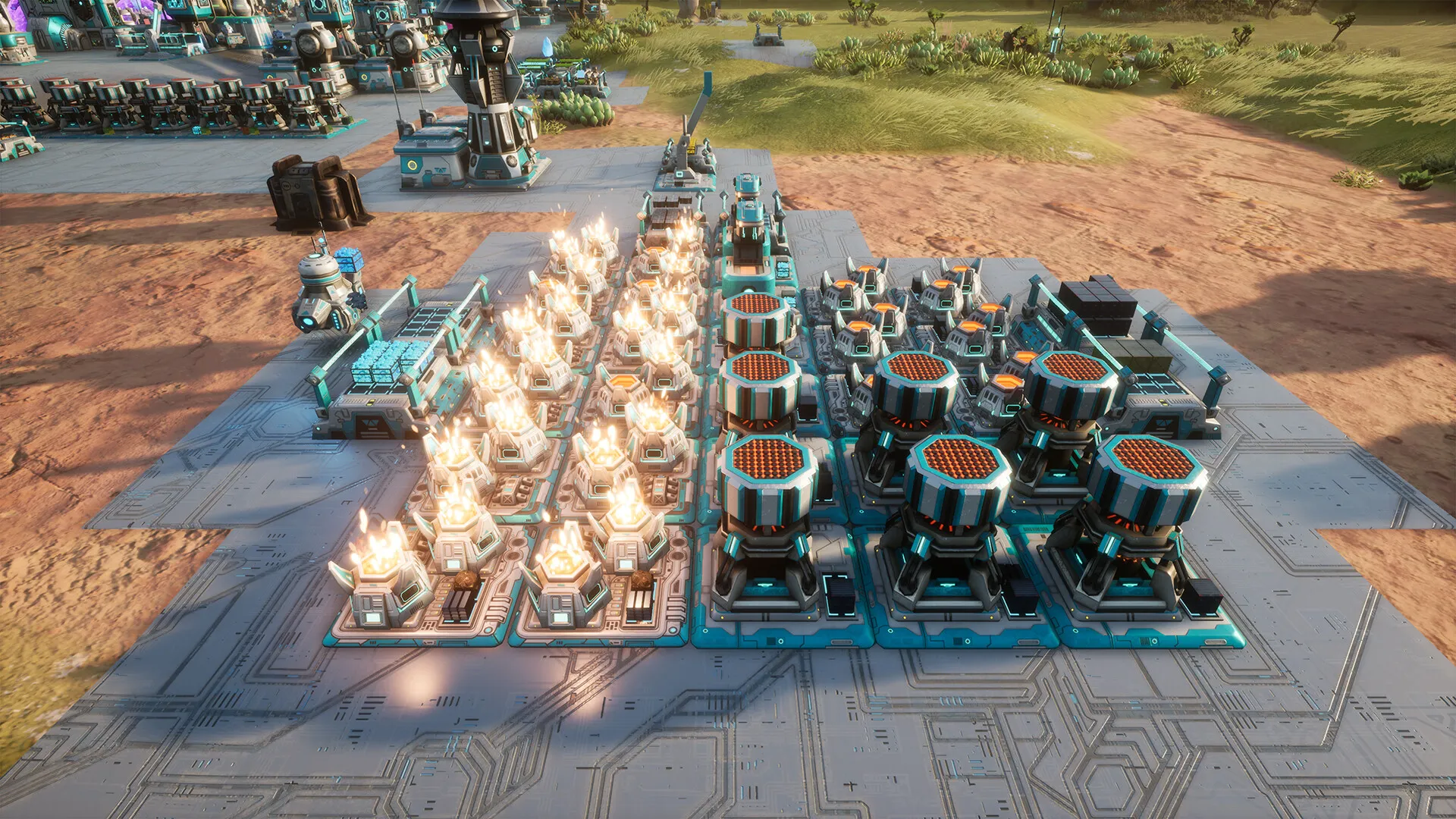
6. Scaling Production Without Chaos
Many players fail when expanding too quickly.
Common mistake:
Adding buildings faster than logistics can support them.
Safe Expansion Rule
Before building new production:
- Ensure materials arrive consistently.
- Confirm energy stability.
- Verify storage capacity.
Expansion should feel effortless. If it feels stressful, infrastructure is not ready.
Automation should remove workload, not increase it.
7. Combat and Environmental Survival
The world of Desynced contains hostile threats and environmental hazards.
Defense is often reactive for beginners, but proactive defense saves resources.
Defensive Strategy
- Build perimeter sensors.
- Maintain repair units.
- Automate ammo or repair material supply.
Combat efficiency depends on logistics just as much as weapon strength.
A well-supplied defense system rarely fails.
8. Advanced Automation Through Role Specialization
Late-game success depends on assigning clear identities to units.
Examples:
- Miner Bots
- Hauler Bots
- Builder Bots
- Defender Units
- Maintenance Drones
Specialization increases efficiency dramatically.
Avoid “do-everything” units — they cause unpredictable delays.
Automation thrives on predictable behavior patterns.
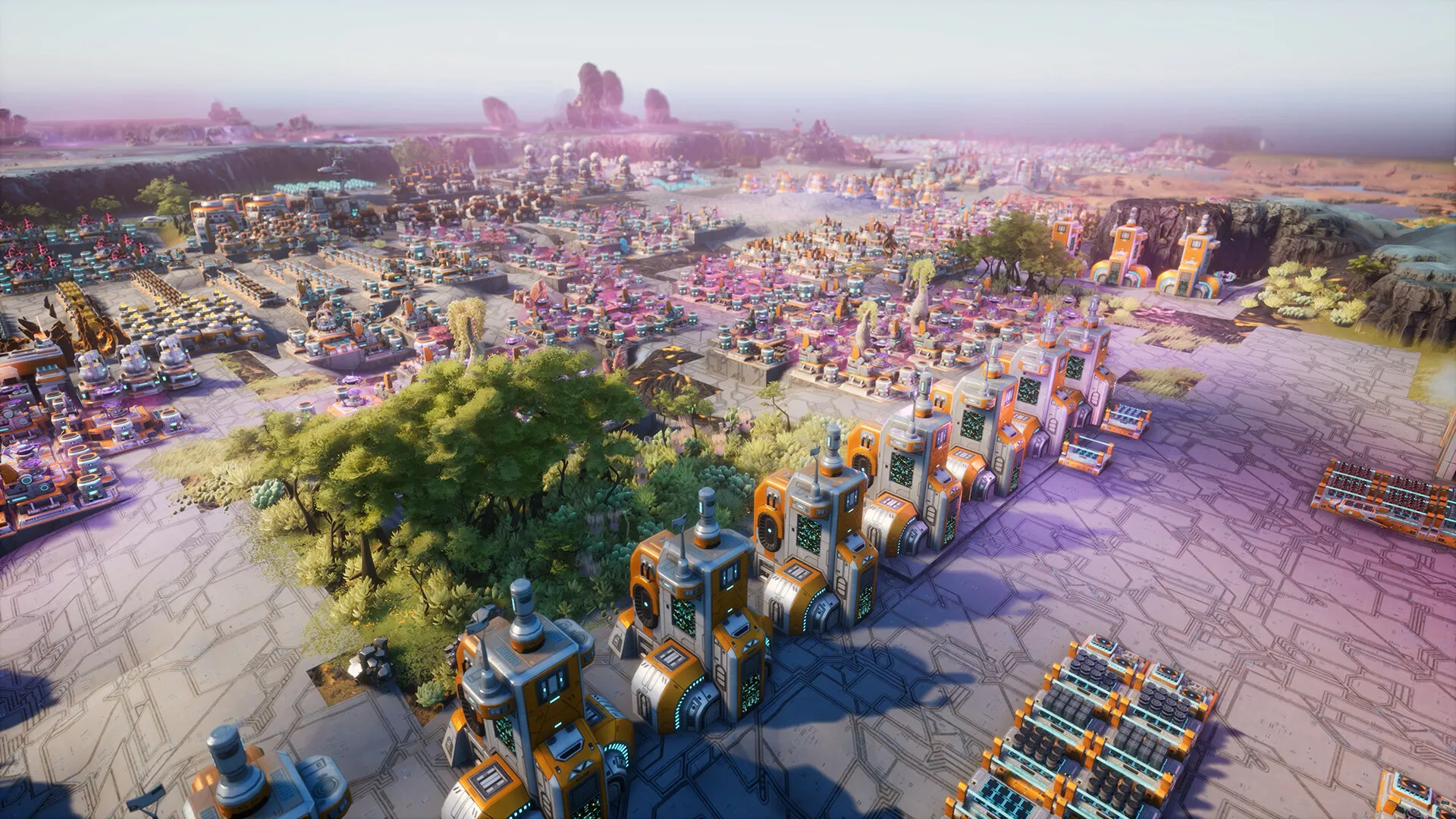
9. Optimizing AI Behavior Chains
Advanced players create layered automation.
Example chain:
Mining Bot → Storage Hub → Processing Unit → Distribution Bot → Construction Queue.
Each system communicates indirectly through resource availability.
Optimization Tips
- Reduce unnecessary decision checks.
- Shorten behavior loops.
- Avoid conflicting instructions.
Efficient programming reduces computational clutter and improves responsiveness.
Your colony should feel alive without constant input.
10. Achieving Fully Autonomous Colonies
The ultimate goal of Desynced is autonomy.
A successful late-game colony can:
- Expand automatically
- Repair itself
- Defend itself
- Maintain production chains independently
Final Automation Goals
- Self-refueling logistics
- Automatic construction queues
- Resource balancing systems
- Threat response automation
When done correctly, the player becomes an observer rather than a controller.
That transformation marks true mastery.
Conclusion
Desynced redefines automation games by shifting focus from physical infrastructure to intelligent systems design. Success comes not from building faster but from thinking smarter — programming behaviors, stabilizing logistics, and allowing systems to operate independently.
Players who embrace experimentation, iteration, and logical problem-solving discover one of the most flexible automation sandboxes available. Every challenge becomes a design puzzle, and every solution can evolve into a fully autonomous process.
Mastering Desynced means learning to trust your systems. Once automation replaces micromanagement, the game reveals its true depth — a living colony powered entirely by your logic.
160-character summary
Complete Desynced strategy guide covering automation systems, AI behaviors, logistics networks, and how to build fully autonomous colonies efficiently.