




Introduction
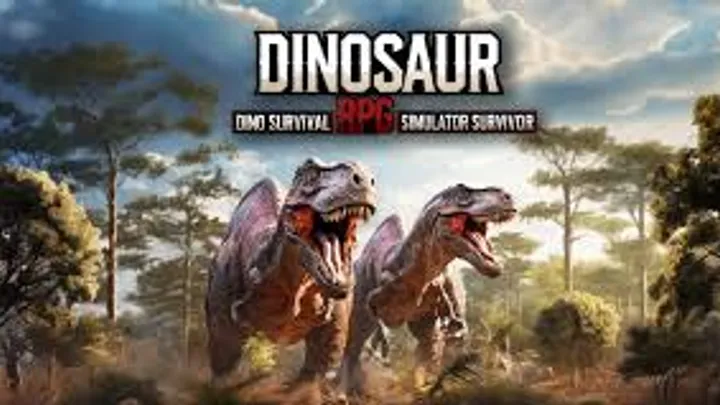
Dinosaur Universe represents a growing trend in survival and exploration games centered around prehistoric ecosystems. Rather than focusing solely on combat or action, the game builds its identity around immersion within a world dominated by dinosaurs, environmental danger, and long-term survival systems.
Games built around prehistoric themes often rely on spectacle, but Dinosaur Universe emphasizes coexistence between exploration, resource management, and adaptation. Players are placed into a hostile environment where survival depends not only on strength but also on understanding the ecosystem itself. Dinosaurs are not simply enemies or decorative creatures; they function as living components of the game world that influence movement, progression, and player behavior.
The result is a survival experience driven by tension, discovery, and the constant awareness that humans are no longer the dominant species.
1. The Open World as a Living Ecosystem
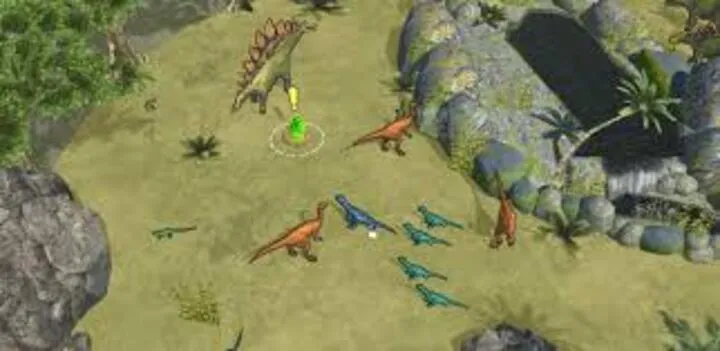
One of the defining aspects of Dinosaur Universe is its environmental design. The game world is structured as a large interconnected ecosystem where different species occupy specific regions and behave according to environmental conditions.
Dense forests provide cover but limit visibility, while open plains expose players to predators from a distance. Rivers function both as resource locations and high-risk areas where large creatures gather. Instead of static environments, the world feels alive because every location carries unique dangers and opportunities.
This approach transforms exploration into a strategic activity. Players must learn the geography of the world and understand how environmental conditions affect survival.
2. Dinosaurs as Ecological Systems Rather Than Monsters
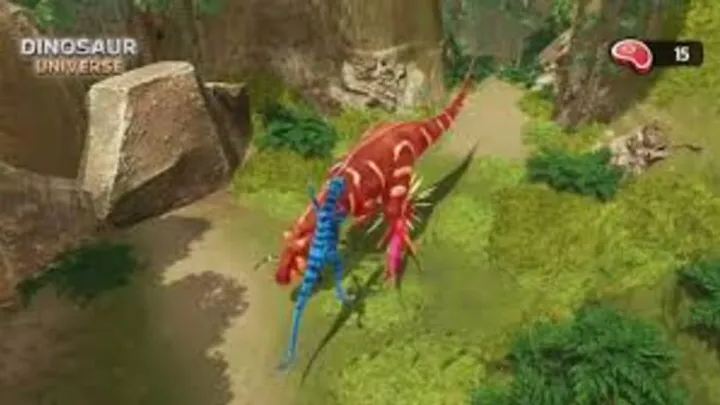
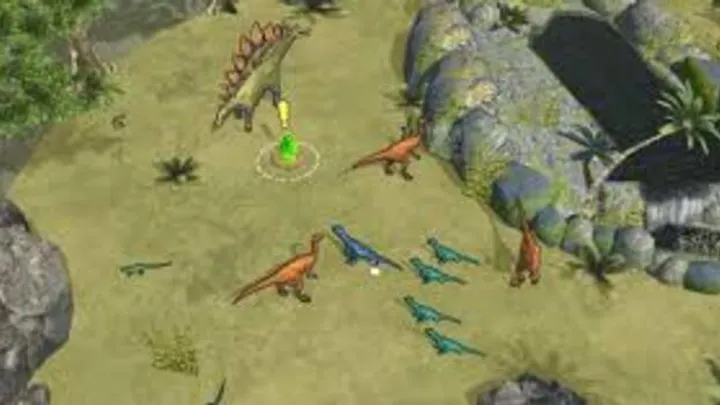
Unlike traditional action games that treat prehistoric creatures as boss enemies, Dinosaur Universe presents dinosaurs as part of a functioning ecosystem. Herbivores migrate across territories, predators hunt based on opportunity, and some species react defensively rather than aggressively.
This behavioral complexity creates unpredictability. Encountering a dinosaur does not always lead to combat, but every interaction carries tension because outcomes are uncertain.
The game’s design encourages observation and caution. Players who understand creature behavior gain advantages without necessarily relying on direct confrontation.
3. Survival Mechanics and Resource Dependency
Survival systems form the foundation of progression. Players must gather food, water, and materials while avoiding environmental and biological threats.
Resource management becomes increasingly important as exploration expands into more dangerous regions. Safe zones may contain fewer valuable materials, forcing players to decide whether risk is worth the reward.
This structure creates long-term tension. Survival is not achieved through isolated victories but through sustained preparation and efficient resource use over time.
4. Crafting Systems and Technological Growth
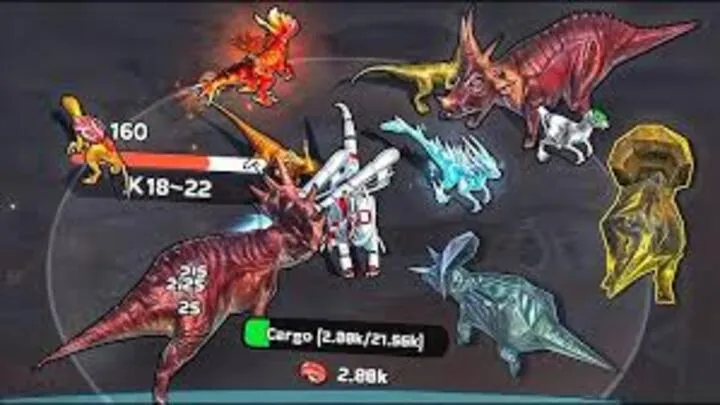
Crafting introduces a sense of gradual advancement within the prehistoric setting. Early tools are primitive, offering limited protection and functionality. As players progress, they gain access to stronger equipment and more advanced structures.
However, progression is intentionally restrained. Technology never completely removes vulnerability because dinosaurs remain physically dominant within the world. Even advanced weapons serve more as survival tools than instruments of total control.
This balance preserves the game’s atmosphere, ensuring that danger remains relevant throughout the experience.
5. The Psychological Role of Scale and Size
A major source of tension in Dinosaur Universe comes from the physical scale of its creatures. Large dinosaurs dominate the environment visually and mechanically, reinforcing the idea that humans occupy a fragile position within the ecosystem.
Massive footsteps, distant roars, and environmental destruction create fear before direct encounters even occur. This use of scale affects player psychology, making the world feel dangerous regardless of immediate combat.
Rather than relying on scripted horror, the game generates tension through environmental presence and uncertainty.
6. Exploration and Discovery as Core Motivation
Progression in Dinosaur Universe is closely tied to exploration. New regions introduce unfamiliar species, hidden resources, and environmental challenges that expand the player’s understanding of the world.
The game rewards curiosity by placing valuable materials and narrative fragments in remote or hazardous areas. Exploration therefore becomes more than movement across terrain; it becomes a process of uncovering how the ecosystem functions.
This structure encourages players to interact with the environment thoughtfully instead of rushing through objectives.
7. Multiplayer Dynamics and Shared Survival
If played in multiplayer environments, Dinosaur Universe introduces social dynamics that significantly change survival strategies. Players may cooperate to gather resources, defend settlements, or explore dangerous areas together.
At the same time, competition for territory and materials can create conflict between groups. The presence of dinosaurs complicates these interactions because environmental threats affect all players equally.
This balance between cooperation and rivalry strengthens immersion, making the world feel unpredictable and socially active.
8. Environmental Threats Beyond Dinosaurs
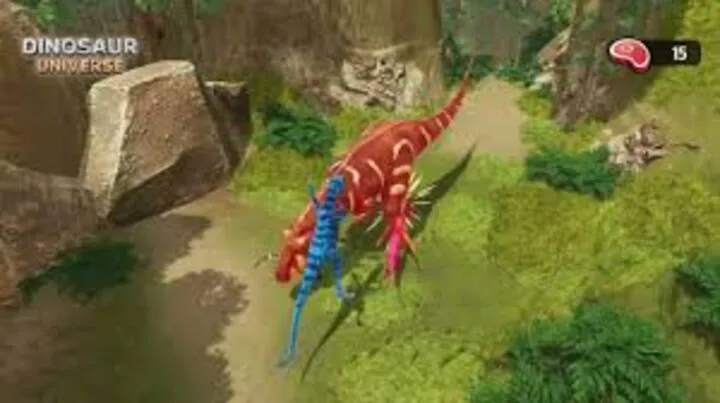
While dinosaurs are the central attraction, the environment itself also functions as a threat. Harsh weather, dangerous terrain, and limited resources can be just as deadly as predators.
Storms may reduce visibility and movement efficiency, while remote regions increase the difficulty of escaping danger. These environmental systems ensure that survival remains challenging even when dinosaurs are absent.
By combining biological and environmental hazards, the game creates layered survival pressure rather than relying on singular threats.
9. Long-Term Progression and Player Identity
As players survive longer, they gradually shape their own identity within the game world. Some may focus on exploration, while others prioritize combat, construction, or resource gathering.
This freedom allows progression to feel personal rather than predetermined. Instead of forcing a single playstyle, the game supports different approaches to survival.
Over time, the player’s settlement, equipment, and discoveries become evidence of their adaptation to the environment.
10. The Enduring Appeal of Dinosaur Survival Games
The popularity of games like Dinosaur Universe reflects a broader fascination with prehistoric life and survival scenarios. Dinosaurs represent a combination of mystery, danger, and spectacle that naturally supports immersive gameplay.
However, the lasting appeal comes from more than visual excitement. The game succeeds because it places players into an ecosystem where they are vulnerable participants rather than dominant heroes.
This perspective changes the nature of progression. Success is defined not by conquering the world but by learning how to survive within it.
Conclusion
Dinosaur Universe combines survival mechanics, environmental exploration, and prehistoric world-building into a deeply immersive experience. By treating dinosaurs as living parts of a functioning ecosystem rather than simple enemies, the game creates tension rooted in unpredictability and scale. Its focus on resource management, exploration, and adaptation transforms survival into a long-term strategic process where every decision matters. Through its balance of environmental danger and player freedom, Dinosaur Universe captures the enduring fascination of prehistoric worlds while delivering a survival experience built on vulnerability, discovery, and coexistence.