Mastering Character Story Creation in Toca Boca World: An Advanced Guide to Building Realistic Families, Drama, and Long-Term Roleplay Worlds
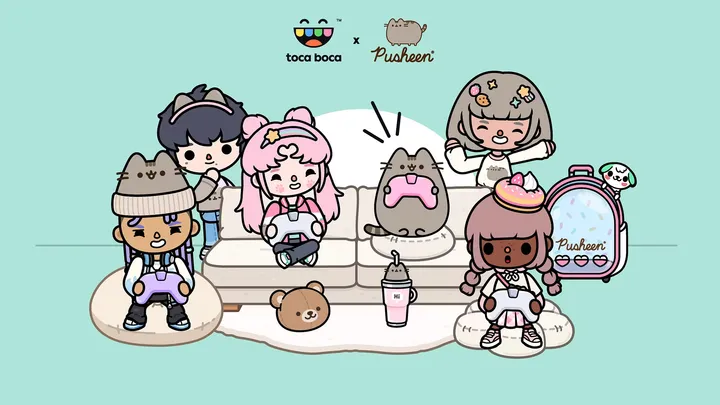
Most players use Toca Boca World as a casual dollhouse game where characters move between houses, schools, and stores. However, experienced players know that the game's real strength is not decorating houses or collecting furniture—it is creating immersive stories that evolve over weeks or even months.
Many players eventually face the same problem: their roleplays become repetitive. Every family feels similar, every school story follows the same pattern, and every character starts behaving the same way. The difference between a basic roleplay and an engaging long-term world comes down to character design, story structure, and world-building.
This guide focuses on one specific advanced topic: how to create realistic, long-term character storylines in Toca Boca World that remain interesting for dozens of gameplay sessions.
Instead of discussing house decoration or item collection, this guide teaches how experienced roleplayers build believable families, create drama naturally, and maintain evolving story worlds.
Understanding the Foundation of Roleplay Worlds
The biggest mistake new players make is creating characters without personalities.
Many roleplays begin with:
- A mom
- A dad
- Two kids
- A pet
While this setup works initially, it quickly becomes boring because the characters have no unique motivations.
Strong roleplay worlds begin with character identity.
Character Creation Rules
Every major character should have:
- A personality
- A goal
- A weakness
- A relationship conflict
Example
Mother:
- Hardworking
- Wants career success
- Rarely spends time at home
Daughter:
- Creative
- Wants attention from parents
- Feels ignored
These simple traits instantly create story opportunities.
Creating Families With Realistic Dynamics
The best Toca Boca stories are not built around perfect families.
Perfect families create very little drama.
Instead, create realistic relationships.
Family Relationship Types
Supportive Family
Characteristics:
- Strong communication
- Positive interactions
- Few major conflicts
Chaotic Family
Characteristics:
- Frequent disagreements
- Financial problems
- Parenting challenges
Blended Family
Characteristics:
- Step-siblings
- Different family traditions
- Relationship adjustments
Advanced Tip
Give every family member a different perspective on major events.
This creates natural story progression.
Designing Main Characters and Supporting Characters
Many players accidentally make every character equally important.
This creates confusion.
Professional storytellers build character hierarchies.
Main Characters
Main characters:
- Drive the story
- Appear most frequently
- Experience major development
Supporting Characters
Supporting characters:
- Influence the plot
- Create obstacles
- Help world-building
Character Balance Rule
For every main character:
- 2–3 supporting characters
This creates a believable social environment.
Building School Storylines That Last
School roleplays are among the most popular Toca Boca World stories.
Unfortunately, many become repetitive.
Typical cycle:
- New student
- Makes friends
- Goes home
Story ends.
Better School Story Structure
Create multiple social groups:
Popular Group
- Social influence
- Strong friendships
Academic Group
- Focused on grades
- Competitive personalities
Creative Group
- Artists
- Musicians
- Dreamers
Long-Term School Events
- Exams
- Talent shows
- School trips
- Sports tournaments
These events create ongoing story opportunities.
Creating Drama Without Making Stories Unrealistic
Drama keeps stories interesting.
However, excessive drama makes roleplays feel unrealistic.
Many players jump immediately into:
- Runaway stories
- Massive arguments
- Extreme situations
Instead, build tension gradually.
Realistic Conflict Examples
- Forgotten birthdays
- Friendship problems
- Family disagreements
- Poor school performance
Advanced Drama Formula
Small problem → Bigger consequence → Emotional reaction → Resolution
This structure feels natural.
Building Career and Adult Life Storylines
Adult characters are often ignored in roleplays.
This is a mistake.
Parents and older characters create depth.
Career Story Ideas
Doctor
Challenges:
- Long work hours
- Family balance
Business Owner
Challenges:
- Financial stress
- Employee management
Teacher
Challenges:
- Student problems
- Career progression
Advanced Tip
Adult problems often create children's storylines indirectly.
Expanding the World Beyond One House
Many roleplays become repetitive because everything happens in a single home.
Toca Boca World offers many locations for a reason.
Essential Locations
- School
- Hospital
- Shopping district
- Restaurant
- Workplace
World Expansion Strategy
Week 1:
Focus on family.
Week 2:
Introduce friends.
Week 3:
Expand community.
Week 4:
Create town-wide events.
The world should grow gradually.
Using Seasonal and Holiday Story Events
One secret used by experienced roleplayers is event-based storytelling.
Special events automatically generate new content.
Seasonal Story Ideas
Summer
- Vacations
- Camps
- Beach trips
Autumn
- School activities
- Community festivals
Winter
- Family gatherings
- Holiday celebrations
Spring
- New beginnings
- Home renovations
Benefits
Events provide:
- New goals
- Character development
- Story variety
Managing Long-Term Story Progression
Long-term roleplays require progression.
Characters should change over time.
Growth Examples
Child:
- Learns responsibility
Teen:
- Gains independence
Parent:
- Changes career
Story Progression Rule
Characters should not be identical after 20 gameplay sessions.
Development creates investment.
Advanced World-Building Techniques
Elite roleplayers treat Toca Boca World like a living universe.
Every location serves a purpose.
Every character has history.
Every event has consequences.
World-Building Checklist
Ask:
- Where does each character live?
- What is their daily routine?
- Who are their friends?
- What are their goals?
Advanced Technique
Create interconnected stories.
Example:
- Teacher's daughter attends local school
- School principal knows family
- Parent works at nearby hospital
Connections make the world feel alive.
Creating Viral Roleplay Content for YouTube and TikTok
Many successful Toca Boca creators use structured storytelling.
Random gameplay rarely performs well.
Content Formula
Hook:
- A problem appears
Conflict:
- Characters react
Escalation:
- Situation becomes harder
Resolution:
- Story concludes
Popular Story Themes
- Rich vs Poor Family
- New Student Story
- Secret Twin Story
- Single Parent Journey
- Family Business Drama
Content Rule
Characters drive engagement, not houses.
Viewers return for stories they care about.
Conclusion
Mastering Toca Boca World is not about collecting every furniture pack or building the largest house. The most memorable gameplay comes from creating believable characters, meaningful relationships, and evolving storylines. By focusing on family dynamics, school progression, world-building, and realistic character development, you can transform simple roleplay sessions into an immersive living world that remains entertaining for weeks or even months. The strongest Toca Boca stories are not built through decoration—they are built through characters that feel alive.